
Call: 08045476352
 Send Inquiry
 Send Inquiry
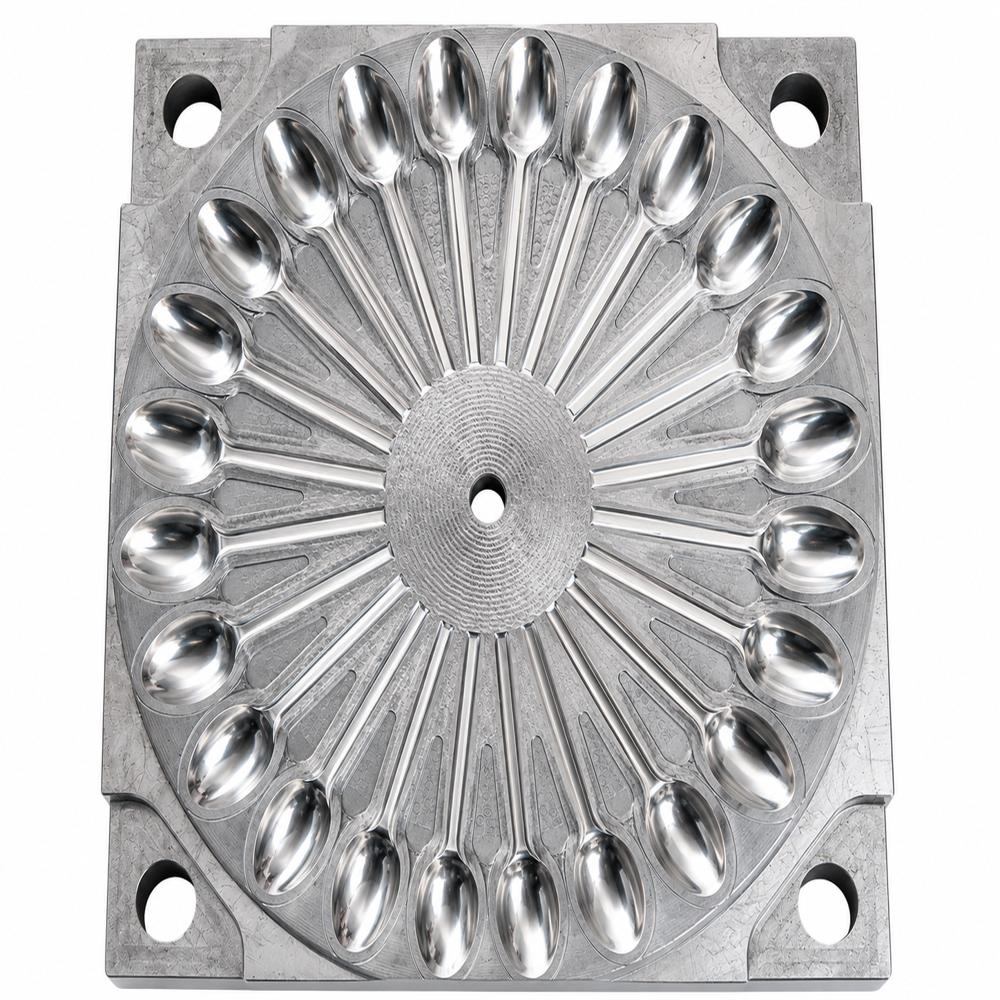
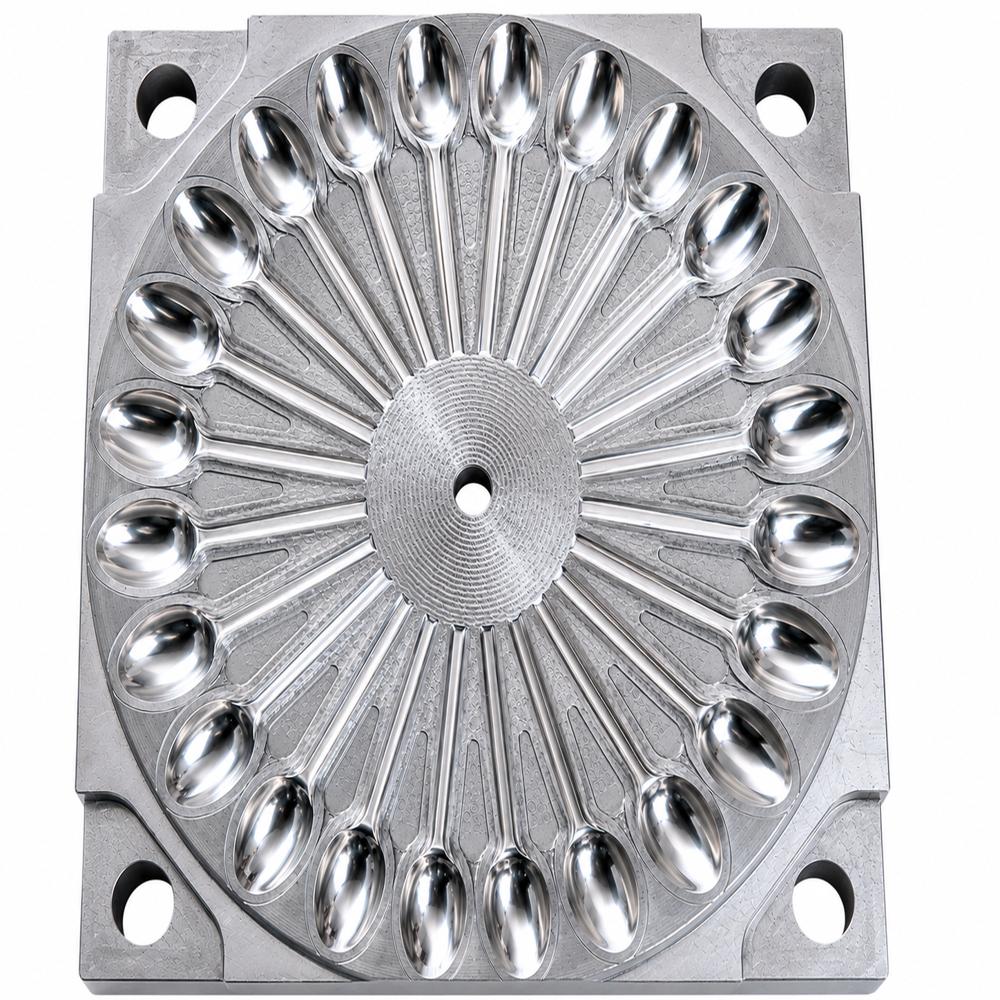
Plastic Injection Spoon Mould
Price 300000.0 INR/ Piece
MOQ : 1 Piece
Plastic Injection Spoon Mould Specification
- Life Span
- 3-5 years (depending on maintenance and usage)
- Molding Material
- Plastic (typically PP, PS, or ABS)
- Mold Base
- P20 Steel
- Cavity
- 1x24 (24 cavities)
- Shaping Mode
- Plastic Injection Mould
- Material
- High Grade Tool Steel (S136, 2316, or as specified)
- Tolerance
- 0.01 mm
- Mould Weight
- Approx. 500-800 kg
- Mould Life
- >500,000 shots
- Ejection Method
- Ejector Pin or Plate Ejection
- Product Output Type
- Disposable Plastic Spoon
- Standard Components
- DME/HASCO Standard
- Application
- Cutlery Manufacturing, Food Service Industry
- Cooling System
- Water Cooling Channels with Copper Tubes
- Runner System
- Hot Runner or Cold Runner (customizable)
- Injection Gate Type
- Pin Point Gate / Edge Gate
- Maintenance Requirement
- Regular lubrication and cleaning recommended
- Packaging
- Standard Export Wooden Case
- Hardness of Core & Cavity
- HRC 45-52
- Surface Finish
- Polished Mirror Finish
- Design Software Used
- UG, AutoCAD, CATIA
- Mould Size
- Customized as per machine specification
- Customization Option
- Logo Engraving, Multi-color Capability
Plastic Injection Spoon Mould Trade Information
- Minimum Order Quantity
- 1 Piece
- Average Load Time
- 25-40 seconds/cycle
About Plastic Injection Spoon Mould
| Mould Material | Aluminium |
|---|---|
| Surface Finishing | Premium finish |
| Body Material | Plastic |
| Cavity Type | Shallow concave |
| Corrosion Resistance | Yes |
| Hardness | Yes |
| Material Grade | A |
Features:
- Durable
- Premium finish
- Rugged
Custom-Engineered for High Performance
Our spoon mould is designed for optimal performance in the cutlery manufacturing and foodservice industry. The integration of water-cooling channels, copper tubes, and DME/HASCO standard components ensures reliable and efficient operation. Whether you require hot or cold runner systems, the mould adapts to your specific production needs while delivering high output and consistent quality.
Precision and Quality in Every Shot
Manufactured with hardened tool steels (S136, 2316), our moulds maintain a core and cavity hardness of HRC 45-52, guaranteeing dimensional accuracy down to 0.01 mm tolerance. The polished mirror finish imparts a superior surface to every spoon, and the ejector pin or plate ejection options ensure smooth release and reduced downtime.
Adaptable, Reliable, and Easy to Maintain
With options for customization such as logo engraving and multi-color capability, this mould lines up to international standards. The mould base uses P20 steel and can be customized for your injection machine. Regular lubrication and cleaning are recommended to prolong the mould's lifespan, which can exceed five years with proper upkeep.
FAQ's of Plastic Injection Spoon Mould:
Q: How does the runner system choice affect the spoon moulding process?
A: The choice between a hot runner and cold runner system influences cycle time, material waste, and maintenance. Hot runners reduce material waste and improve efficiency, while cold runners are typically more cost-effective for lower volume production. Both options are customizable to fit your specific manufacturing requirements.Q: What is the recommended maintenance process for this spoon mould?
A: Regular maintenance is vital to prolong mould life. This includes routine lubrication of moving parts, thorough cleaning after production runs, inspection for wear or residue, and immediate attention to any signs of damage. Following these practices helps ensure consistent performance and extends the mould's lifespan up to 3-5 years or more.Q: When should I consider using pin point gate versus edge gate injection?
A: Pin point gates offer precise material flow and minimal gate marks, suitable for high-cavity moulds requiring uniform fill, while edge gates are ideal when large volume flow and straightforward part ejection is preferred. Your application requirements and desired product finish will help determine the most suitable gate type.Q: Where can this plastic injection spoon mould be used?
A: This mould is primarily designed for manufacturing disposable plastic spoons used in the cutlery and food service industry. It is compatible with various injection moulding machines and can be used in facilities involved in high-volume spoon or cutlery production.Q: What materials are compatible with this mould, and what are their benefits?
A: The mould is compatible with plastic materials like PP (polypropylene), PS (polystyrene), and ABS, commonly used in disposable cutlery for their strength, food safety, and cost-effectiveness. These materials also facilitate high-quality finishes and reliable mould performance.Q: How does the mould's customized design and multi-cavity feature benefit my operation?
A: Customized sizing ensures compatibility with your specific machine and production requirements. The 24-cavity layout allows for simultaneous moulding of multiple spoons, significantly boosting output, efficiency, and overall cost-effectiveness of high-volume production runs.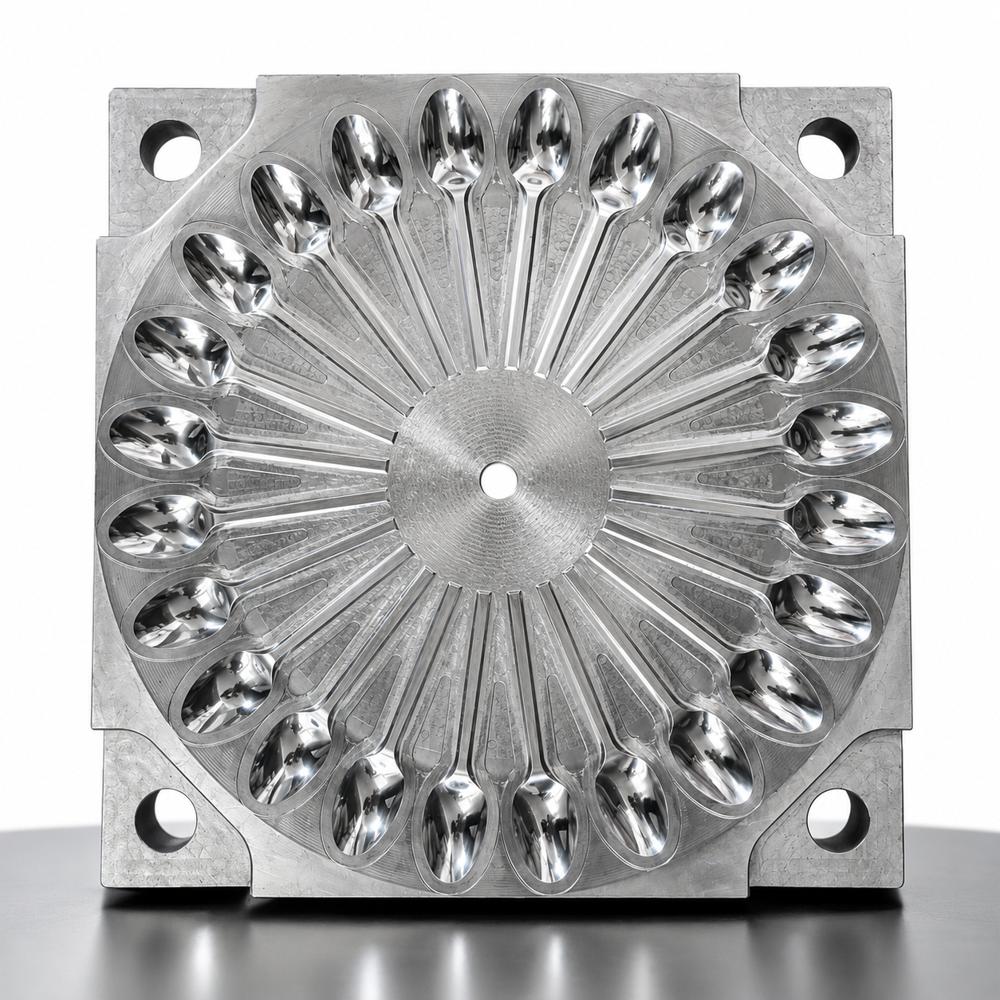
Tell us about your requirement

Price:
Quantity
Select Unit
- 50
- 100
- 200
- 250
- 500
- 1000+
Additional detail
Mobile number
Email


Contact Details
KAMAL MOULDS
GST : 24AFSPP1287P1ZK
- 136/137/138/145, SAHITYA INDUSTRIAL HUB, GATRAD ROAD, BAKROL,Ahmedabad - 382430, Gujarat, India
- Phone :08045476352
 Send Inquiry
Developed and Managed by Infocom Network Private Limited.
